
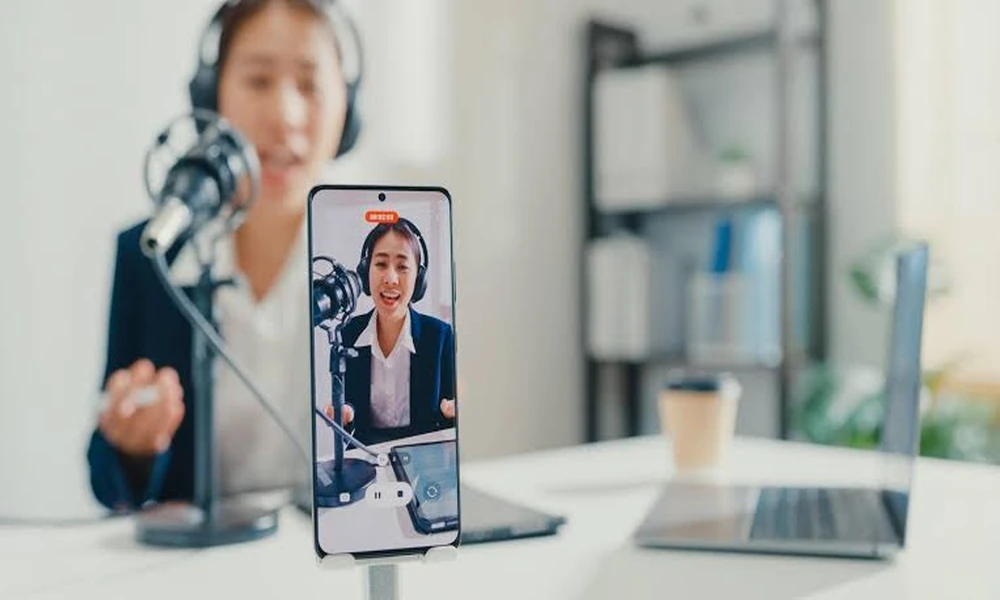
Technology has become an important force in the development of the Japanese entertainment industry. Advances in internet connectivity, streaming infrastructure, mobile devices, and digital production tools have changed how entertainment is created, distributed, and accessed. Audiences are no longer limited to traditional television schedules or physical media, as digital services provide flexible ways to access a broad range of video and media content.
The expansion of digital entertainment has also created new ways for audiences to discover different forms of Japanese media. Content ranging from films and animation to music, television programs, documentaries, and JAV can be accessed through an increasingly connected digital environment. These changes reflect wider developments in media technology, where faster networks and improved digital infrastructure have made online access an important part of modern entertainment.
Technology and the Changing Entertainment Industry
Digital technology has influenced almost every stage of the entertainment process. Production teams can use advanced software for editing, visual effects, sound design, and content management. At the distribution stage, digital files can be delivered to audiences without depending entirely on physical products.
Technology has also changed expectations around availability. Audiences increasingly expect content to be accessible across multiple devices and at convenient times. This has encouraged entertainment companies and creators to adapt their distribution methods to changing consumption patterns.
The Rise of Digital Distribution
Digital distribution has reduced many of the physical limitations associated with traditional media. Online delivery allows content to reach audiences across different regions while reducing the need for physical storage and transportation.
Streaming services have become an important part of this transition. Improvements in broadband infrastructure and video compression have supported higher-quality playback and more reliable access. Digital distribution also allows media libraries to be updated more efficiently, giving audiences access to newly released and previously published material through connected services.
Mobile Devices and On-Demand Viewing
Smartphones and tablets have significantly influenced modern viewing habits. Portable screens allow audiences to watch video content in different locations rather than being tied to a television or desktop computer.
On-demand access has also changed the relationship between audiences and scheduled programming. Viewers can decide when to watch available content according to their individual routines. Mobile applications, responsive websites, and improved playback systems have helped make this flexibility a standard part of digital entertainment.
Data and Personalized Content Discovery
Digital entertainment services can collect various forms of usage information, depending on their policies and user settings. Data related to viewing activity can help services organize content and improve discovery features.
Recommendation systems may use viewing histories, selected categories, and other signals to present potentially relevant material. This can help audiences navigate large content libraries. However, personalization also makes privacy, transparency, and responsible data management important considerations for digital entertainment services.
Online Platforms and Audience Engagement
Online platforms have created new opportunities for audiences to interact with entertainment content. Comments, discussions, sharing features, ratings, and community activity can extend engagement beyond simply watching a video.
Creators can also receive feedback from audiences through digital channels. This interaction can influence how content is discussed and discovered, while online communities can help connect viewers with media that matches their interests.
Future Technology in Entertainment
Future developments in artificial intelligence, streaming infrastructure, mobile connectivity, immersive media, and interactive technology may continue to influence Japanese entertainment. Production tools may become more sophisticated, while distribution systems could provide increasingly flexible methods of reaching audiences.
At the same time, technological development will continue to raise practical questions about privacy, copyright, content moderation, accessibility, and responsible data use. The continuing interaction between technological innovation and audience preferences will shape how Japanese entertainment develops across the digital landscape.